
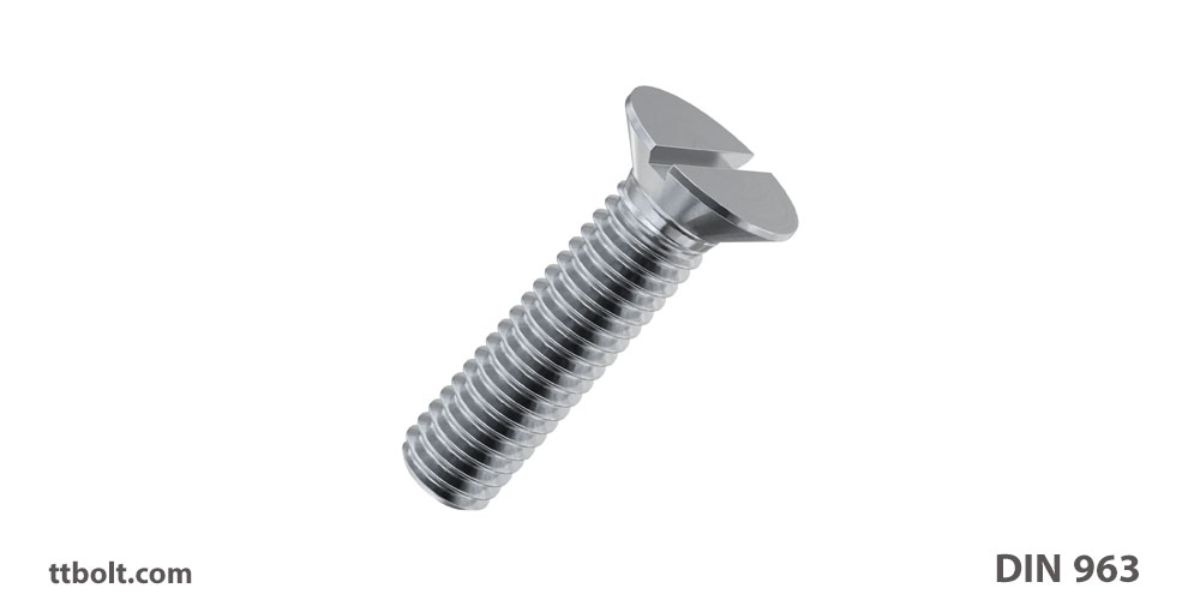
DIN 963 اسلاتدار سر خزینهای، یکی از قدیمیترین و سادهترین پیچهای ماشین است. این صفحه مرجع سریع ابعاد و مشخصات است؛ برای توضیح کامل کاربرد و مقایسه با نسخه چهارسو، صفحهی پیچ ماشین سازی سرخزینه دو سو DIN 963 را ببینید.
در این مقاله با پیچ ماشینسازی سرخزینه دوسو DIN 963، کاربردها، روش تولید و نکات انتخاب آن آشنا میشوید.
پیچ DIN 963 از پیچهای ماشینسازی با سر خزینهای و شیار دوسو است و در اتصالات فلزی کاربرد دارد. محدوده اندازههای معرفیشده در این صفحه از M1 تا M20 است. این پیچ با جنس فولادی و فولاد زنگنزن A2 و A4 عرضه میشود. سر خزینهای آن در سوراخ خزینهشده قرار میگیرد تا پس از بستن، سطح اتصال صاف بماند. برای نمونههای فولادی، پوششهایی مانند آبکاری روی نیز به کار میرود. لوازم خانگی، تجهیزات رایانهای و مجموعههای صنعتی از کاربردهای این پیچ هستند.
نکات فنی خرید پیچ سرخزینه دوسو DIN 963
نام DIN 963 در بازار رایج است و استاندارد DIN EN ISO 2009 نیز برای این خانواده مطرح میشود. در مدارک فنی، نام استانداردهای ISO 2009، CSN 021151، PN 82207 و UNI 6109 نیز دیده میشود؛ پیش از جایگزینی، ابعاد و الزامات استاندارد مورد سفارش را بررسی کنید. هنگام خرید، جنس، کلاس مقاومتی و پوشش پیچ را متناسب با شرایط اتصال انتخاب کنید. در محیط مرطوب، انتخاب فولاد زنگنزن یا پوشش مناسب برای پیچ فولادی اهمیت دارد. نیاز به آزمون کشش و سایر آزمونهای کنترل کیفیت باید بر اساس مشخصات سفارش و حساسیت کاربرد تعیین شود.
روش تولید پیچ سرخزینه دوسو DIN 963
تولید این پیچ معمولاً با دستگاههای فورج سرد انجام میشود. ابتدا کلاف مفتول روی قرقره دستگاه قرار میگیرد؛ سپس مفتول صاف و در صورت نیاز به قطر مناسب کشیده میشود. پس از برش، سر پیچ شکل میگیرد و رزوه ایجاد میشود. برای نمونههای فولادی، پوشش سطحی متناسب با سفارش اعمال میشود. از محصول تولیدشده نمونهبرداری میکنند و پس از کنترل کیفیت و انجام آزمونهای لازم، پیچها بستهبندی و به بازار عرضه میشوند.
کاربردهای پیچ سرخزینه دوسو DIN 963
این پیچ در ماشینسازی، تجهیزات عمومی و صنعتی، قطعات خودرو و لوازم خانگی کاربرد دارد؛ بهویژه در جاهایی که بیرونزدگی سر پیچ از سطح قطعه مطلوب نیست. رزوه آن متریک است و باید با رزوه قطعه یا مهره متریک سازگار انتخاب شود. تنوع اندازهها امکان استفاده از آن را در مجموعههای مختلف فراهم میکند.
مهره و واشر مناسب پیچ سرخزینه دوسو DIN 963
پیچ DIN 963 اغلب مستقیماً در سوراخ رزوهشده قطعه بسته میشود و به مهره نیاز ندارد. در اتصال عبوری میتوان از مهره متریک با قطر و گام رزوه سازگار استفاده کرد. در صورت نیاز به واشر تخت یا فنری، محل معمول قرارگیری آن سمت مهره است؛ سطح زیر سر خزینهای باید با نشیمن خزینهشده قطعه تماس مناسب داشته باشد.
ابعاد مهندسی پیچ سرخزینه دوسو DIN 963
اطلاعات ابعادی، از جمله قطر و گام رزوه، قطر سر، ارتفاع سر و طول رزوه، در طراحی اتصال و انتخاب پیچ اهمیت دارند. جدول زیر ابعاد معرفیشده برای این پیچ را نشان میدهد.
جدول ابعاد
| رزوه d | گام P | قطر سر dk | ارتفاع سر k | طول رزوه b |
|---|---|---|---|---|
| M1 | 0.25 | 1.9 | 0.6 | — |
| M1.2 | 0.25 | 2.3 | 0.72 | — |
| M1.4 | 0.3 | 2.6 | 0.86 | — |
| M1.6 | 0.35 | 3 | 0.96 | 15 |
| M2 | 0.4 | 3.8 | 1.2 | 16 |
| M2.5 | 0.45 | 4.7 | 1.5 | 18 |
| M3 | 0.5 | 5.6 | 1.65 | 19 |
| M3.5 | 0.6 | 6.5 | 1.93 | 20 |
| M4 | 0.7 | 7.5 | 2.2 | 22 |
| M5 | 0.8 | 9.2 | 2.5 | 25 |
| M6 | 1 | 11 | 3 | 28 |
| M8 | 1.25 | 14.5 | 4 | 34 |
| M10 | 1.5 | 18 | 5 | 40 |
| M12 | 1.75 | 22 | 6 | 46 |
| M14 | 2 | 25 | 7 | 52 |
| M16 | 2 | 29 | 8 | 58 |
| M18 | 2.5 | 33 | 9 | 64 |
| M20 | 2.5 | 36 | 10 | 70 |
مشخصات در یک نگاه
| ویژگی | مقدار |
|---|---|
| نوع سر | خزینهای مخروطی |
| نوع درایو | شیار دوسو |
| محدوده سایز | M1 تا M20 |
| کلاسها | ۴٫۸ فولادی، A2 و A4 استنلس |
| استاندارد جایگزین | DIN EN ISO 2009 با ابعاد سر یکسان |
| نسخه چهارسو | DIN 965 با ابعاد سر یکسان |
پیچ خزینهای: سر زیر سطح
ویژگی مشترک این خانواده، سرِ مخروطی است که داخل سوراخ خزینهشده فرو میرود تا سطح قطعه صاف بماند. این ویژگی جایی لازم است که چیزی قرار است روی سطح بلغزد، یا ظاهر کار اهمیت دارد، یا سر برجسته مزاحم است.
سه نکتهی اجرایی که کیفیت کار را تعیین میکند:
- زاویه خزینه باید با سر پیچ بخواند. اگر زاویه سوراخ با زاویه سر یکی نباشد، تماس فقط روی یک لبه اتفاق میافتد و فشار متمرکز میشود.
- عمق خزینه دقیق باشد. کمعمق یعنی سر بیرون میماند؛ عمیق یعنی سر فرو میرود و لبهی سوراخ تحت فشار میشکند.
- در ورق نازک خزینه ممکن نیست. اگر ضخامت ورق از ارتفاع سر کمتر باشد، خزینهکردن سوراخ را گشاد میکند.
معنای دوسو و سرخزینه
«دوسو» به شیار تخت آچارخور پیچ اشاره دارد و به معنی دوطرفهبودن پیچ نیست. DIN 963 سر خزینهای تخت دارد؛ پیچ سراستوانهای دوسو با DIN 84 شناخته میشود. برای توضیح کاملتر، مقاله پیچ ماشینسازی سرخزینه دوسو DIN 963 را ببینید.
سر خزینهای: یک سوراخ برای کدام پیچ؟
سه پیچ سرخزینهی رایج — دوسو، چهارسو و آلن — در نگاه اول جایگزین هم به نظر میرسند. کاتالوگهای تأییدشده تفاوت را نشان میدهند:
| سایز | DIN 963 (دوسو) — dk / k | DIN 965 (چهارسو) — dk / k | DIN 7991 (آلن) — dk / k |
|---|---|---|---|
| M3 | 5.6 / 1.65 | 5.6 / 1.65 | 6 / 1.7 |
| M4 | 7.5 / 2.2 | 7.5 / 2.2 | 8 / 2.3 |
| M5 | 9.2 / 2.5 | 9.2 / 2.5 | 10 / 2.8 |
| M6 | 11 / 3 | 11 / 3 | 12 / 3.3 |
| M8 | 14.5 / 4 | 14.5 / 4 | 16 / 4.4 |
| M10 | 18 / 5 | 18 / 5 | 20 / 5.5 |
| M12 | 22 / 6 | — | 24 / 6.5 |
| M16 | 29 / 8 | — | 30 / 7.5 |
| M20 | 36 / 10 | — | 36 / 8.5 |
همهی اعداد بر حسب میلیمتر و از کاتالوگهای تأییدشدهی تیتیبولت خوانده شدهاند. خط تیره یعنی آن سایز در آن استاندارد تعریف نشده است. در هر خانه، عدد اول قطر سر و عدد دوم ارتفاع سر است.
DIN 963 و DIN 965 در همهی سایزهای مشترک ابعاد سر یکسان دارند؛ همان سوراخ خزینه برای هر دو درست است. اما سر آلن DIN 7991 در M3، M4، M5، M6، M8، M10، M12، M16 پهنتر از DIN 963 است و فقط در M20 همقطر. ارتفاع سر آلن در M3، M4، M5، M6، M8، M10، M12 بیشتر و در M16، M20 کمتر از DIN 963 است. پس خزینهای که برای پیچ دوسو زده شده، با سر آلن همسایز همخوان نیست؛ سر پهنتر کامل در آن نمینشیند و بیرون میماند. اگر در یک طراحی قدیمی پیچ دوسو را با آلن جایگزین میکنید — که برای گشتاور بیشتر رایج است — خزینه را دوباره بررسی کنید.
کلاس و گشتاور
در کاتالوگ ما DIN 963 در کلاس ۴٫۸ و استنلس A2 و A4 تعریف شده است، در حالی که DIN 7991 در ۸٫۸، ۱۰٫۹ و ۱۲٫۹. تفاوت کلاس از آچارخور میآید: شیار دوسو پیش از آنکه پیچ به حد استحکامش برسد خراب میشود، پس کلاس بالاتر برای سر دوسو معنا ندارد. اگر اتصال خزینهای به نیروی زیاد نیاز دارد، پیچ آلن سرخزینه انتخاب درست است. خانوادهی کامل پیچهای ماشینسازی در پیچهای ماشینسازی آمده است.
سوالات متداول
DIN 963 چه نوع پیچی است؟
پیچ ماشین با سر خزینهای و شیار دوسو.
در چه کلاسهایی موجود است؟
کلاس ۴٫۸ فولادی و A2 و A4 استنلس.
نسخه چهارسوی آن کدام است؟
DIN 965، با ابعاد سر کاملاً یکسان.
استاندارد جایگزین کدام است؟
DIN EN ISO 2009 با ابعاد سر یکسان.
«double-sided screw» یعنی چه؟
ترجمهی ماشینی «پیچ دوسو» است؛ یعنی پیچ با شیار تخت (Slotted)، نه پیچ دوطرفه.
آیا سوراخ خزینهی DIN 963 برای پیچ آلن DIN 7991 هم درست است؟
نه. در کاتالوگ ما سر DIN 7991 در بیشتر سایزها پهنتر از DIN 963 است و ارتفاعش هم فرق دارد؛ خزینه را برای پیچ واقعی بررسی کنید.